The redesign nobody wanted
You may remember Purple from the Prisoners Dilemma. Purple has left the bank robbing business and now works as a senior designer.
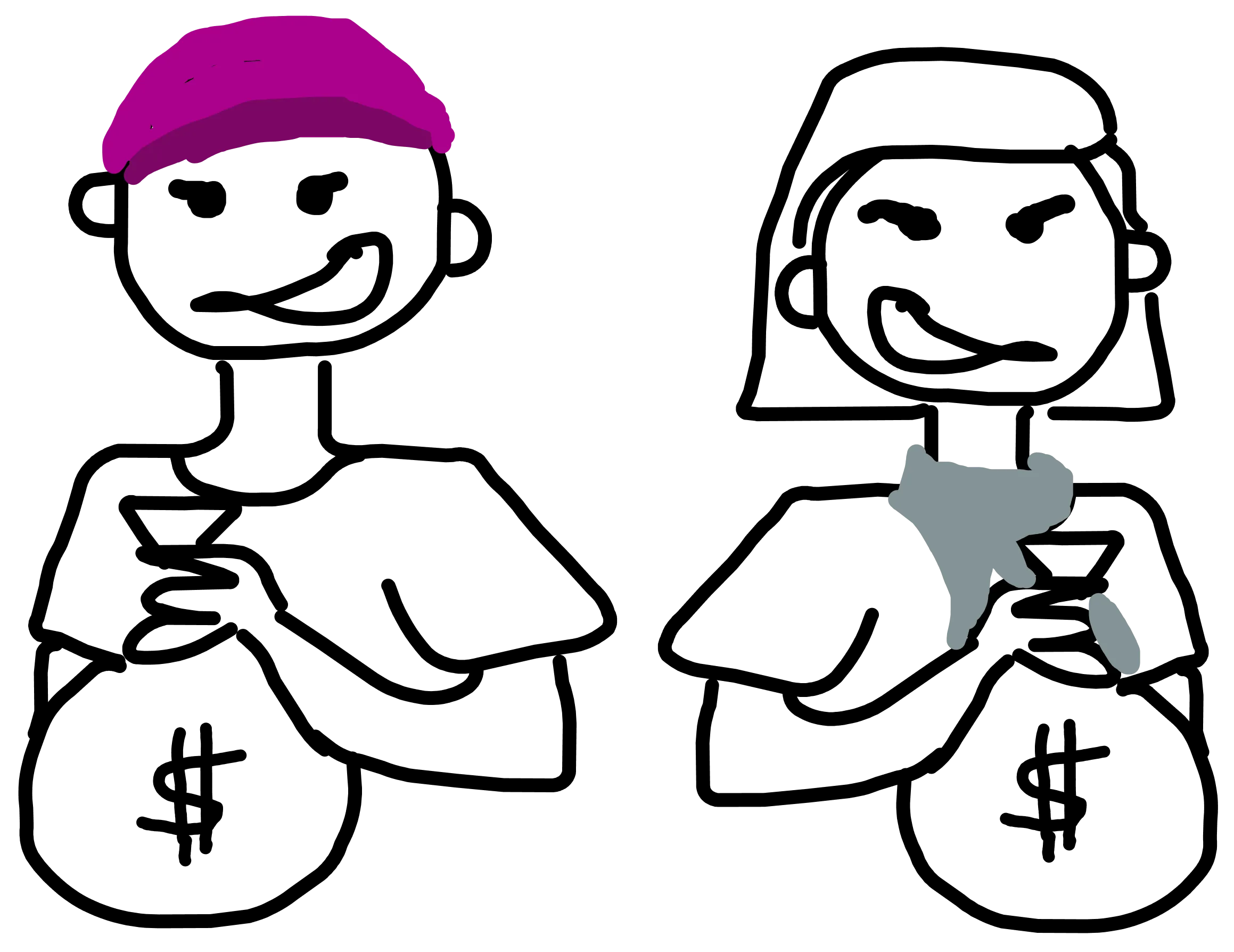
Purple spent three weeks on a checkout redesign. The research was solid. Fewer steps. Fewer drop-offs. A clear lift in completed orders.
Purple presented it to the product and engineering leads. The engineering lead said no. Not "this is bad." Just "not this quarter."
Purple was confused. The company wins. The customer wins. Why would anyone say no to a win?
Because it was not their win. The new conversion number would sit on the design slide. Engineering would rebuild the payment flow, carry the on-call risk, and push back a roadmap item their director had already promised. From that chair, the offer looked like this: you do the work, we take the applause.
Purple did not lose an argument about design. Purple made an offer, and the offer was rejected. Game theory has a name for this.
The Ultimatum Game
Two players share $10. The first player, the proposer, decides how to split it. The second player, the responder, can accept or reject. Accept, and both get paid. Reject, and both get nothing.


A purely rational responder accepts any offer above zero. One dollar is more than no dollars.
Real people do not play this way. Economists Werner Güth, Rolf Schmittberger and Bernd Schwarze first ran the experiment in 1982, and it has been repeated in many countries since. Low offers, around 20% or less, are often rejected. Most proposers seem to know this, so they offer close to half.
The lesson is simple. People will give up a real gain to refuse a deal that feels unfair. Fairness is not a soft extra. It is part of the payoff.
Every design review is an offer
When you present a design, you are the proposer. The people in the room are responders, and each one holds a veto.
| In the game | In your design review |
|---|---|
| Proposer | You, the designer |
| Responder | The product lead, the engineering lead, legal, support |
| The $10 | The value the design creates |
| The split | Who gets the credit, and who does the work and carries the risk |
| Reject | "Not this quarter" |
Responders do not ask "is this good for the company?" They ask "is this fair to me?" A great design with a bad split loses to an average design with a fair one.
There is one more detail that makes it worse. In the lab, rejecting costs the responder money. In a design review, rejecting costs almost nothing. The old design keeps running. Nobody gets blamed for keeping things as they are. So the bar for a fair offer at work is higher than in the experiment, not lower.
How to make a better offer
- Do the math from their chair. Before the review, write down what each responder gives up. Time, risk, a promised roadmap item, control over their system. If you cannot name it, you are not ready to present.
- Put their win on the slide. "Conversion up 8%" is your win. "30% fewer payment support tickets" is support's win. "Retires the legacy checkout service" is engineering's win. Show each person their share.
- Split the cost before they ask. Phase the release. Cut the part that costs engineering the most. Offer to own QA and the rollout plan. A smaller design that ships beats a perfect one that does not.
- Give credit away in public. Name the engineering team in the readout. Credit costs you very little. For them it can be worth a lot.
- Do not make it one round. The Ultimatum Game is a single take-it-or-leave-it move. A big review meeting turns your work into exactly that. Meet each stakeholder alone first. Ask what would make it work for them. Then the meeting confirms a deal you already made.
The takeaway
Purple went back two weeks later with a phased plan, a support metric on the first slide and the engineering lead's name on the second. It shipped in the next quarter. The design barely changed. The offer did.
The best design does not always win. The fairest offer usually does.